How can regenerative cells be regulated across multiple dimensions?How can biomaterials reshape local regenerative microenvironments?How can surgical implementation become spatially precise and reproducible?
Research topics for craniofacial regeneration
Research Topic 01
Programmable FNA Cell Engineering
Framework nucleic acid (FNA) materials are developed as
programmable interfaces for regenerative cells, enabling surface
engineering, spatial organization, and microenvironment
regulation in craniofacial regeneration.
Key Scientific Question
How can FNA addressability and editability be used to control regenerative cell behavior, spatial organization, and local repair cues?
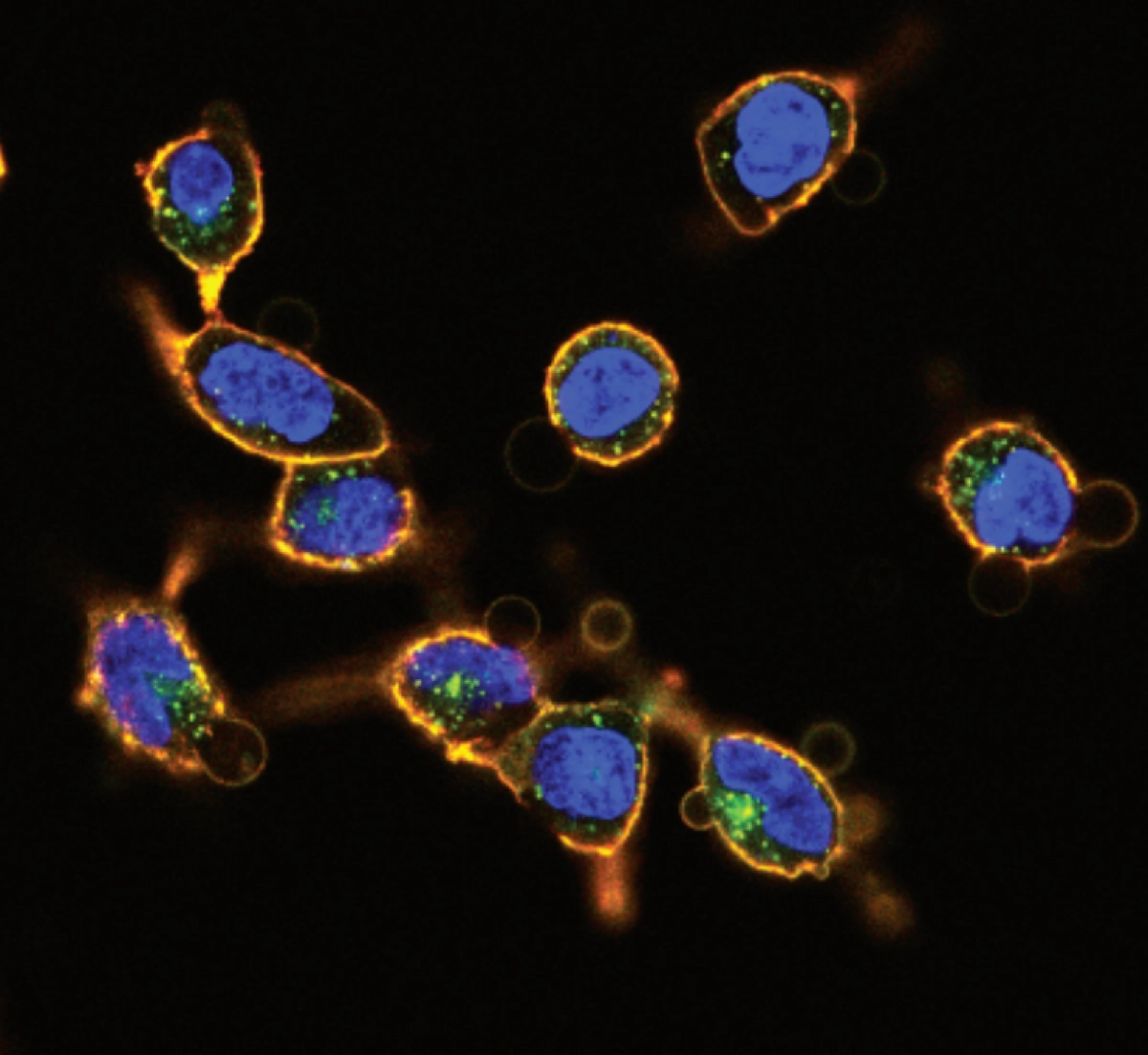
Cell Surface EngineeringBasic FNA coating
Cell surface engineering
FNA coating and cell-catcher strategies are used to mark cells, tune cell interactions, and recruit endogenous stem cells for regenerative applications.
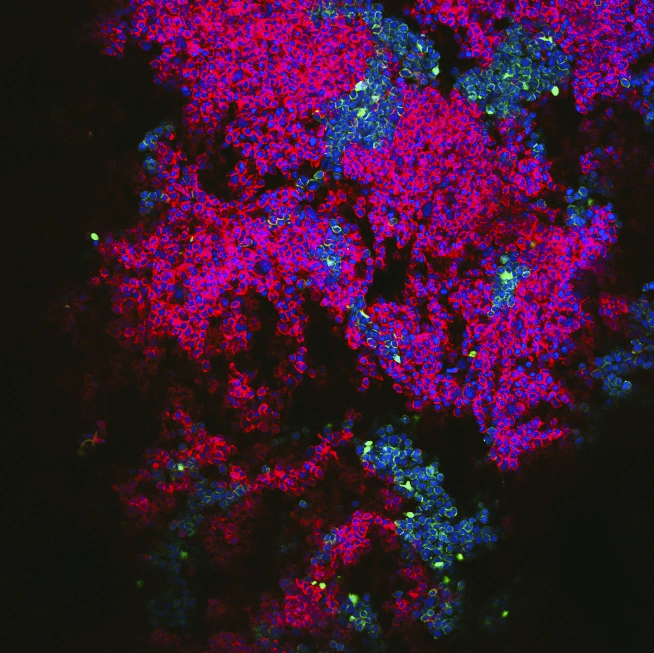
DNA hydrogels, extracellular vesicle-related systems, and scaffold materials are used to modulate local cues within regenerative microenvironments.
Research Path
Engineer cell-material interfaces.
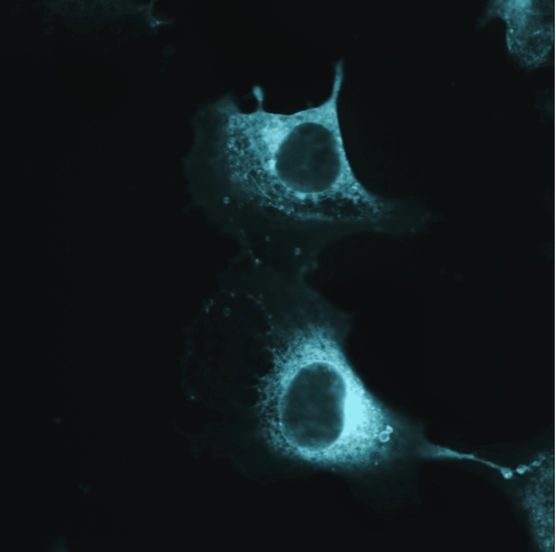
Program cell function and spatial organization.
Regulate regenerative microenvironments.
Research Topic 02
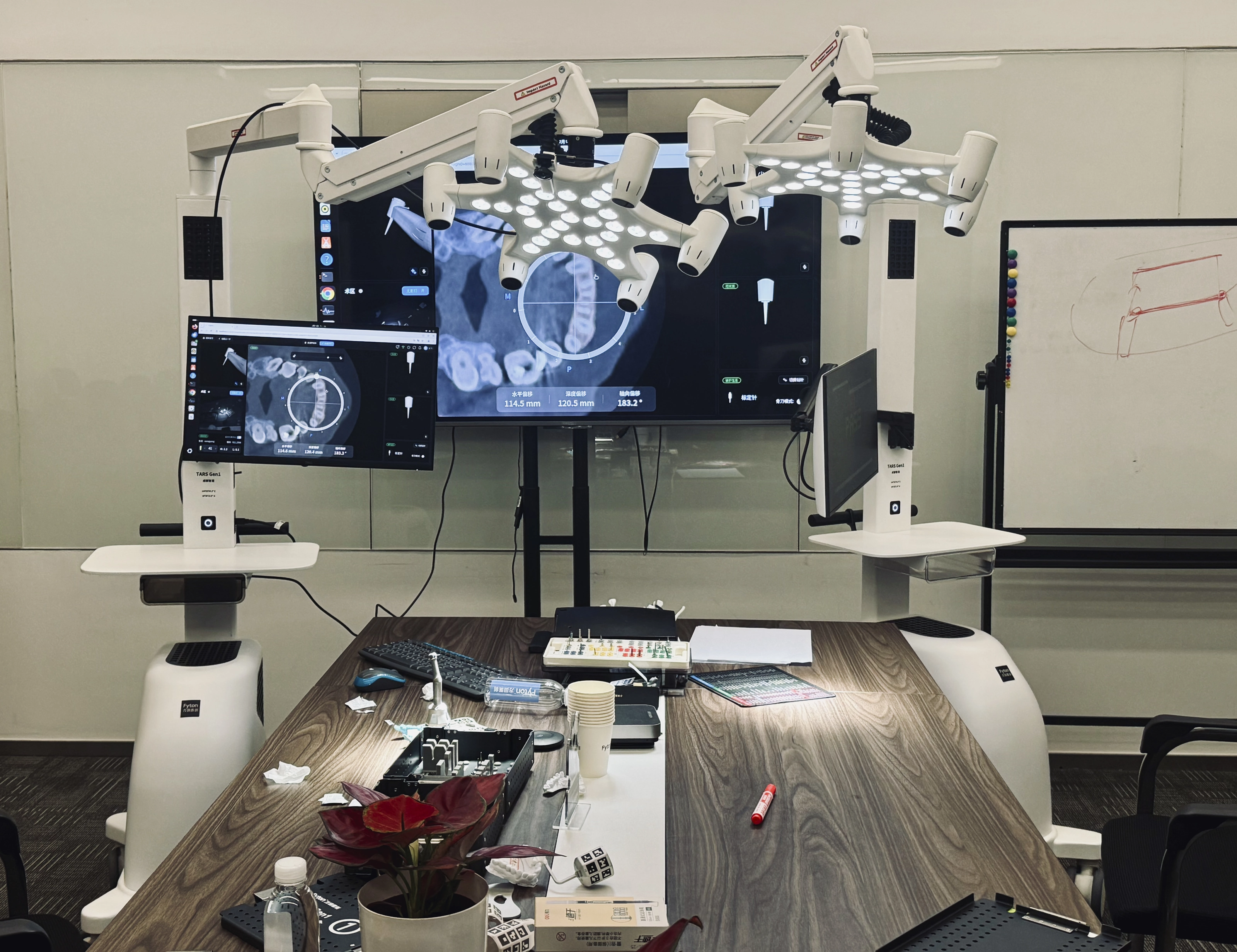
AI- and AR-Guided Precision Surgery
Intelligent surgery is developed as a precision implementation
strategy for oral and craniofacial procedures, integrating
optical tracking, registration, AR guidance, and workflow
design.
Key Scientific Question
How can anatomy, instruments, targets, and operators be spatially registered so that complex oral procedures become precise, intuitive, and reproducible?
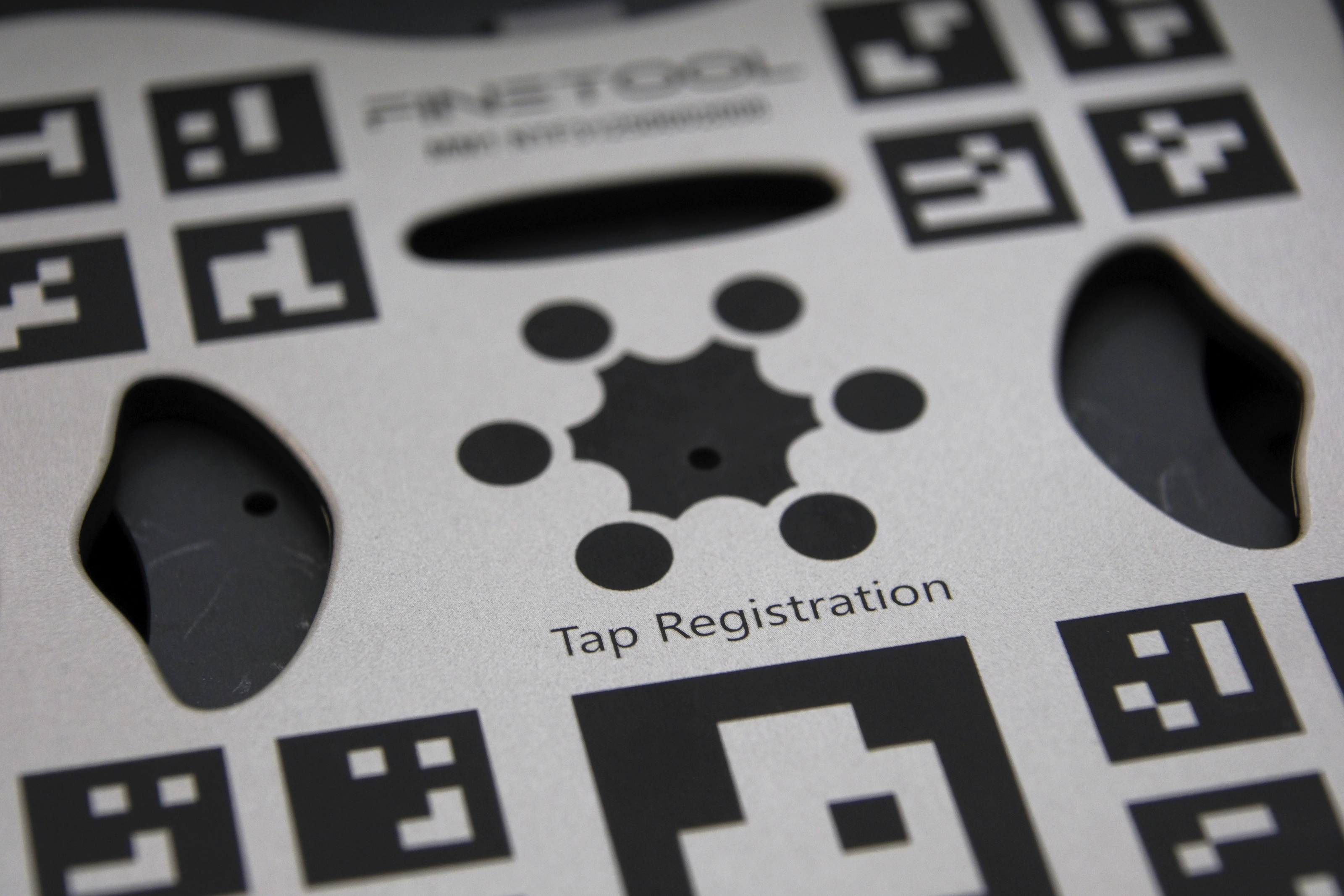
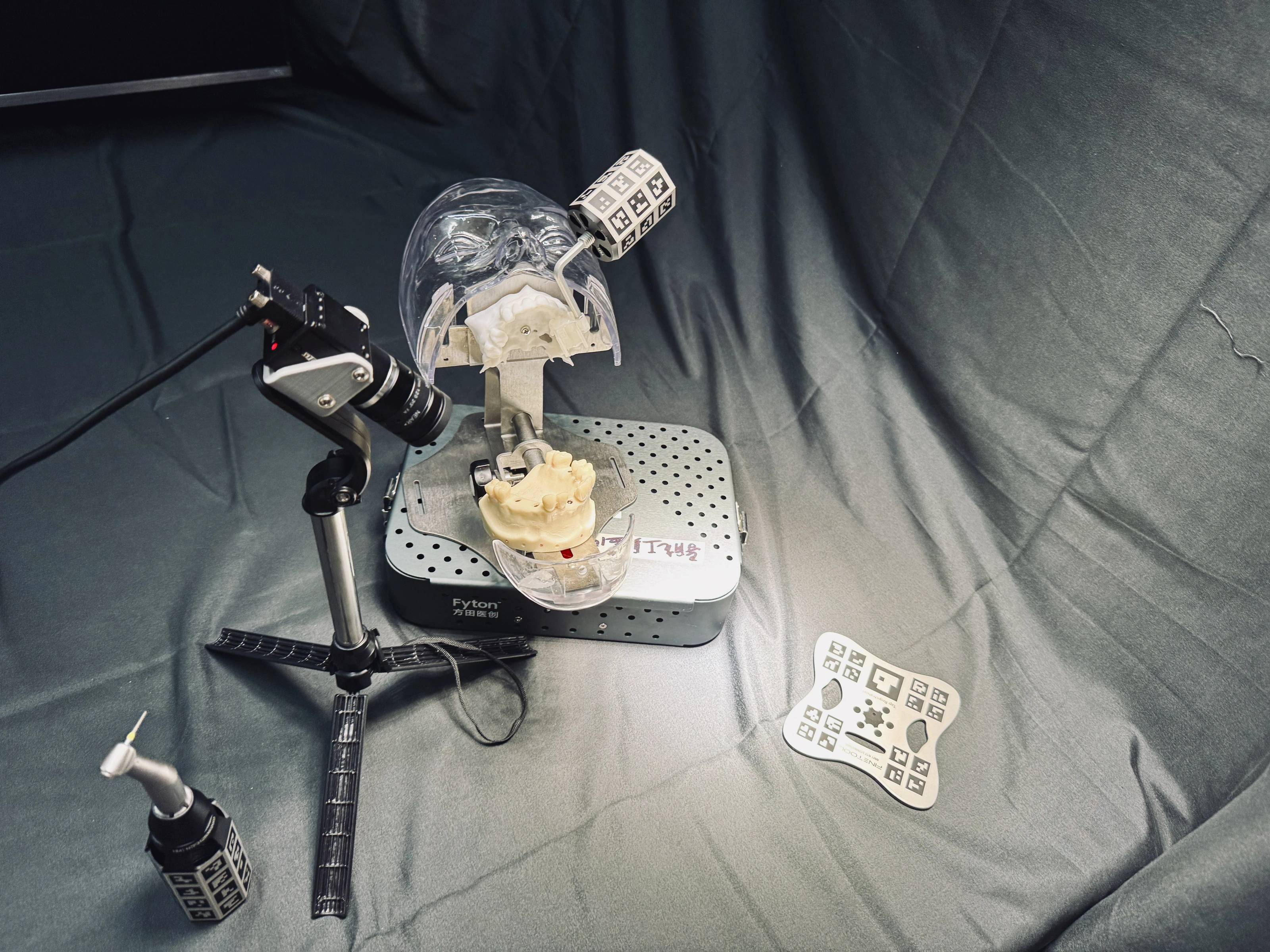
Spatial RegistrationOptical tracking marker
Spatial registration
Optical markers and registration workflows map anatomy, instruments, and operative targets into a shared surgical coordinate system.
AR-Guided InteractionAR navigation application test
AR-guided interaction
AR guidance brings planned targets and surgical feedback into the operative field, reducing visual switching during complex procedures.
Precision WorkflowIn vitro model test
Precision operation workflows
In vitro and scenario-based models are used to test guided puncture, injection, osteotomy, implantation, and related oral surgical workflows.
Research Path
Register anatomy, instruments, and targets.
Guide surgical actions through AR interaction.
Validate precision workflows in models and clinical scenarios.
The long-term goal is to couple FNA-based cell engineering with
AI- and AR-guided surgical implementation, moving craniofacial
regeneration from passive reconstruction toward active
regeneration that is spatially controlled and clinically repeatable.
Active regenerationSpatially precise deliveryRepeatable clinical workflow