Precision with workflow burden
Complex registration and screen switching can turn navigation into an additional task during surgery.
 Taoran GroupWest China School of Stomatology
Clinical Translation
TARS brings AI- and AR-guided navigation into oral surgical workflows, linking optical tracking, spatial registration, visualization, and device translation.
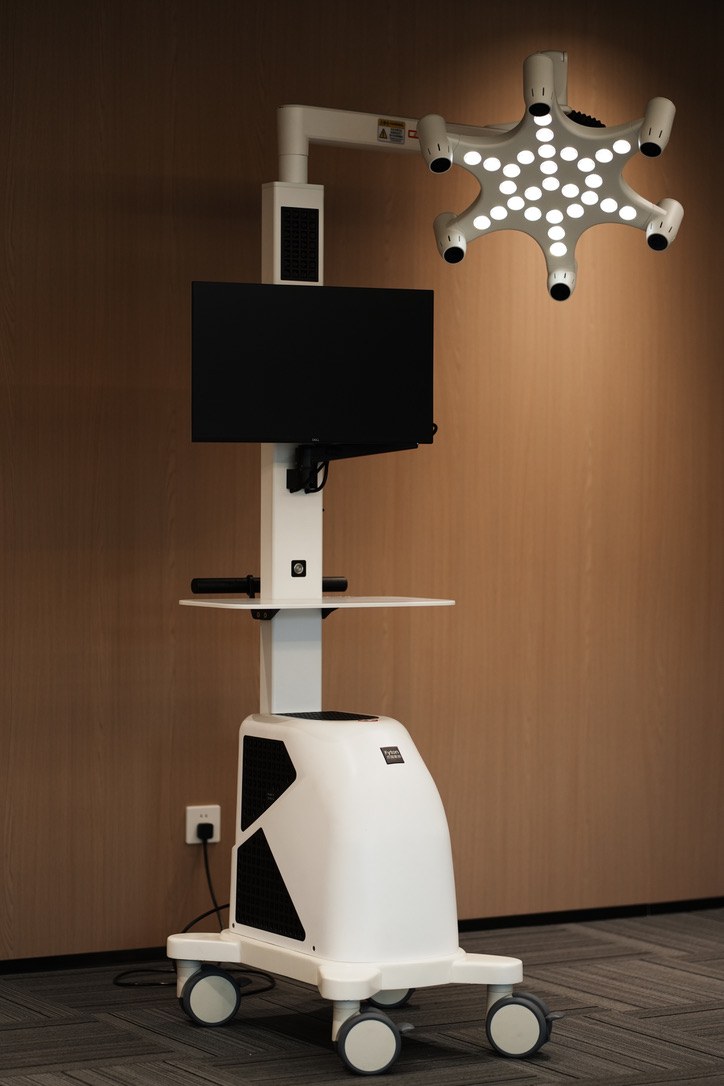
From clinical problem to a new surgical interface.
TARS turns medical AR from a display layer into an operative interface for attention, spatial understanding, and repeatable execution.
Clinical Need
Conventional navigation can improve accuracy, but screen dependence, hand-eye coordination, registration steps, and workflow interruption limit routine adoption.
Complex registration and screen switching can turn navigation into an additional task during surgery.
AR guidance connects plans, instruments, anatomy, and feedback within the surgeon's field of view.
Clinical Application
Clinical translation is evaluated in the operative field, where visualization, tracking, registration, and the surgeon's attention must work together without interrupting treatment.
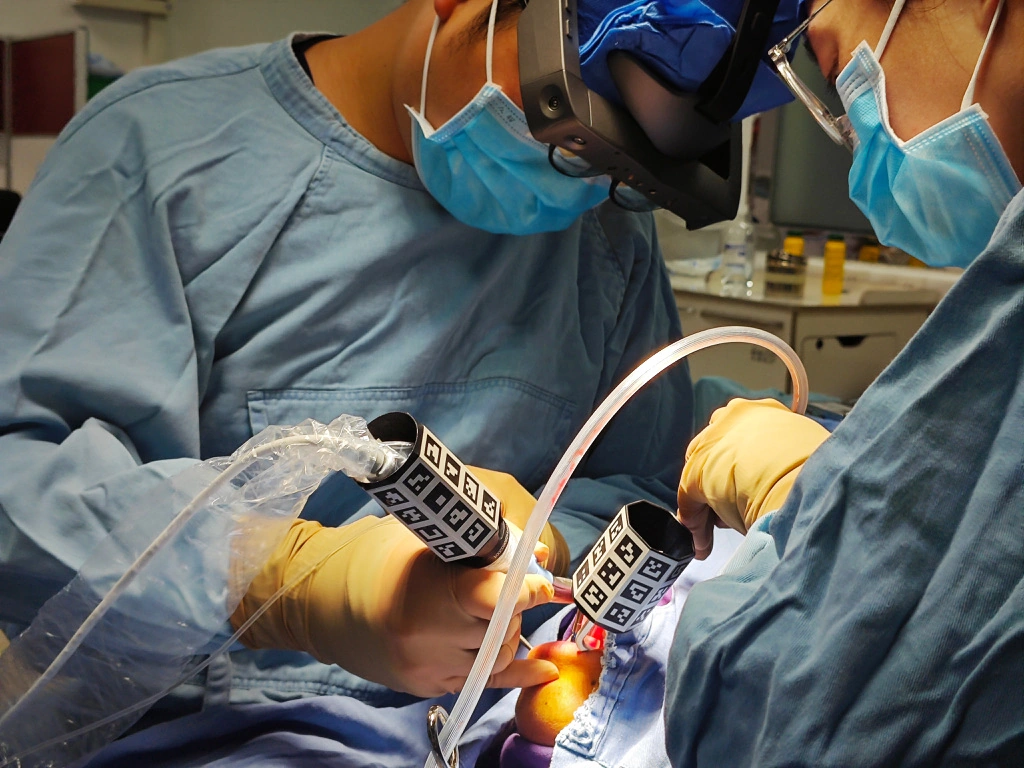
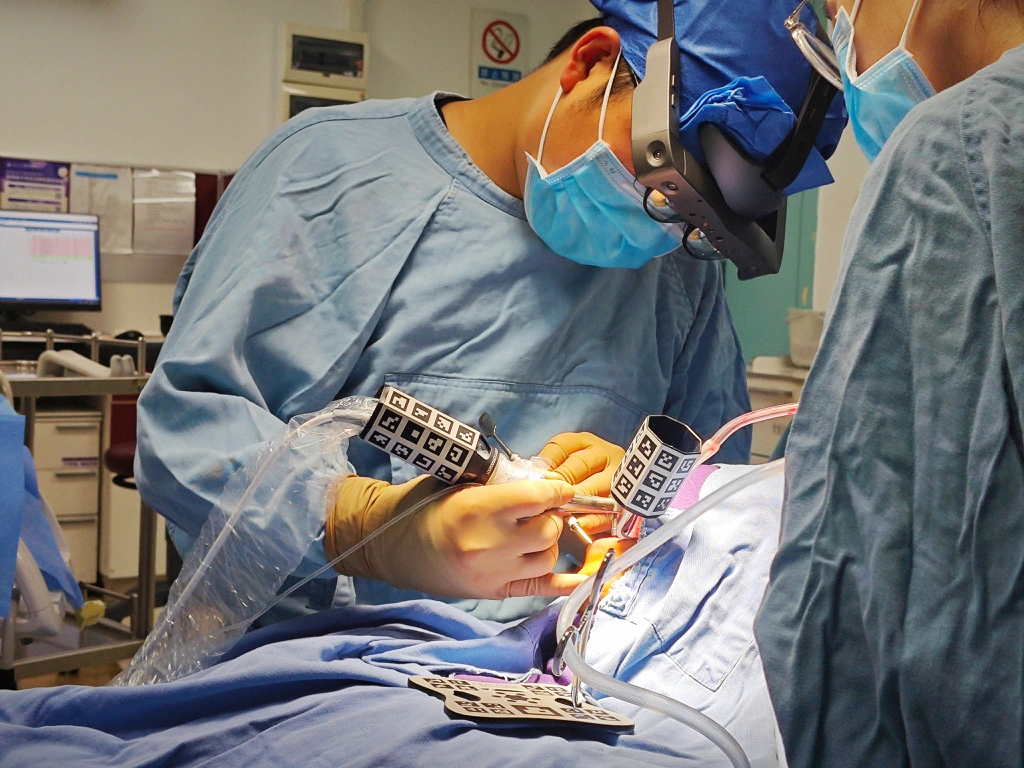
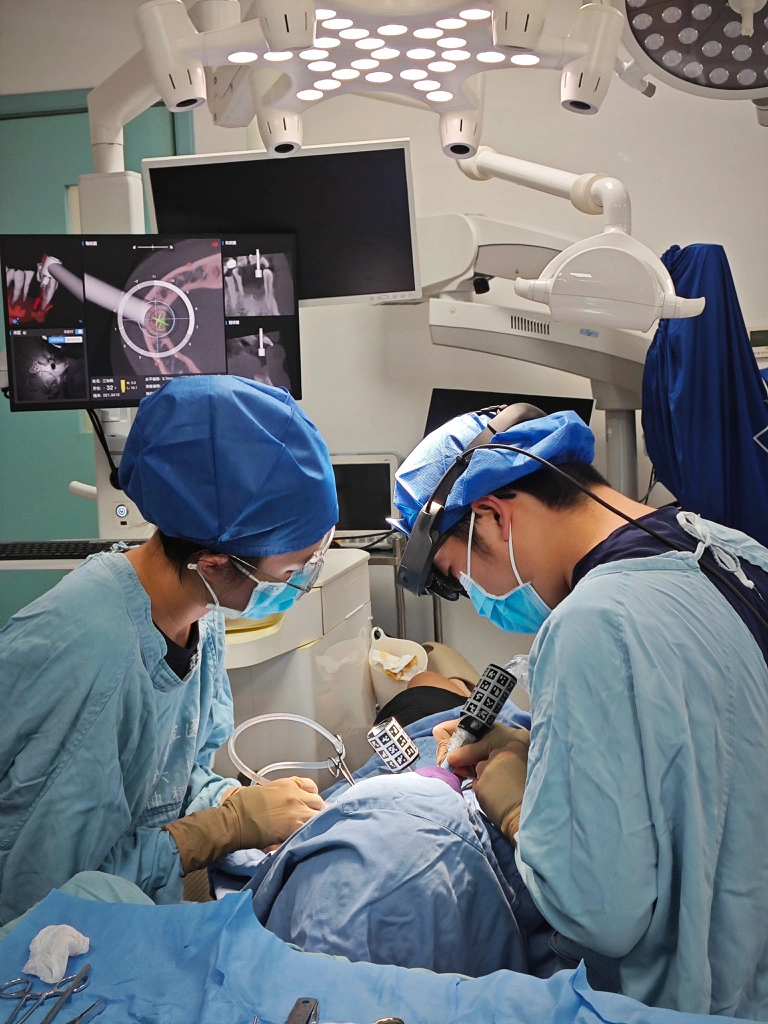
TARS System
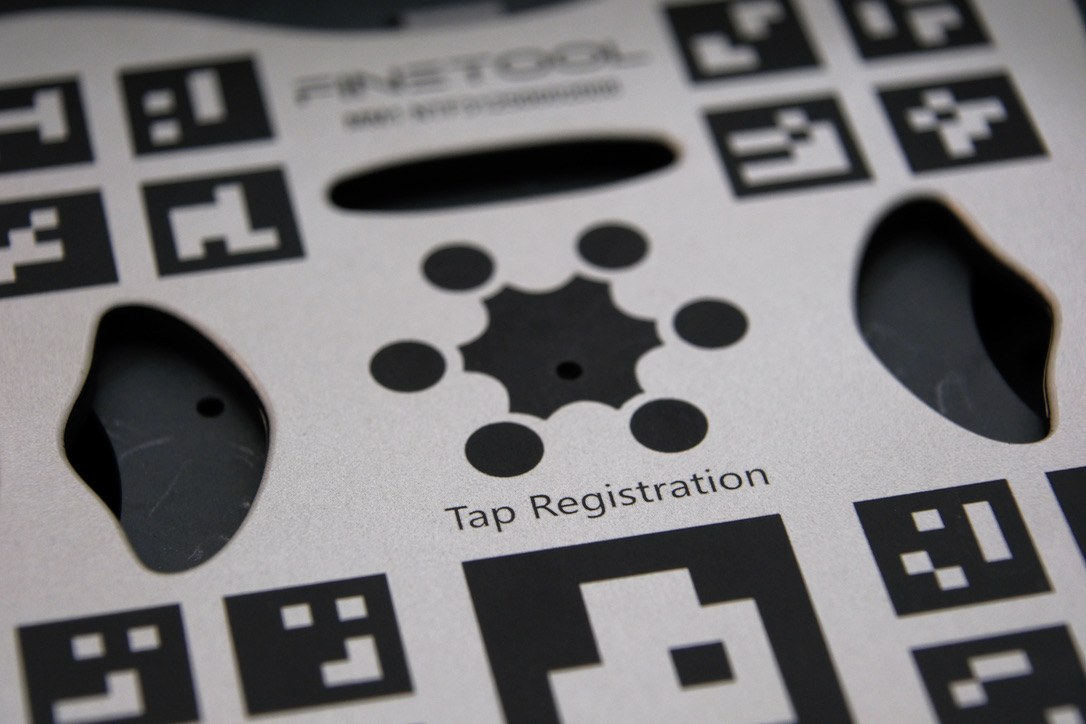
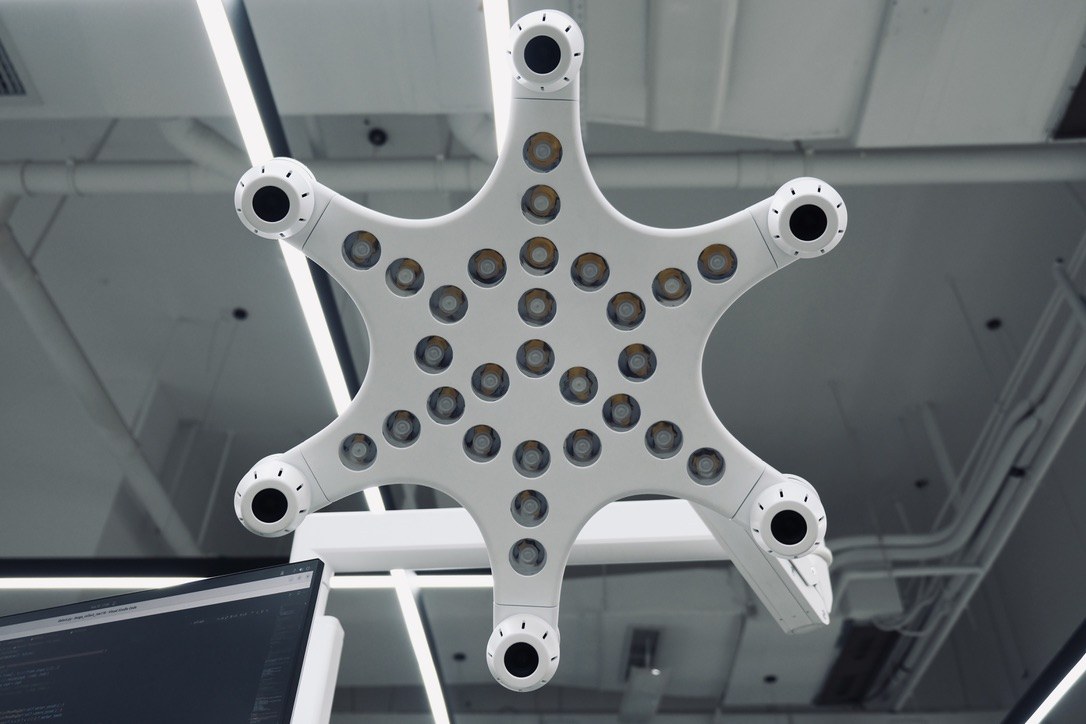
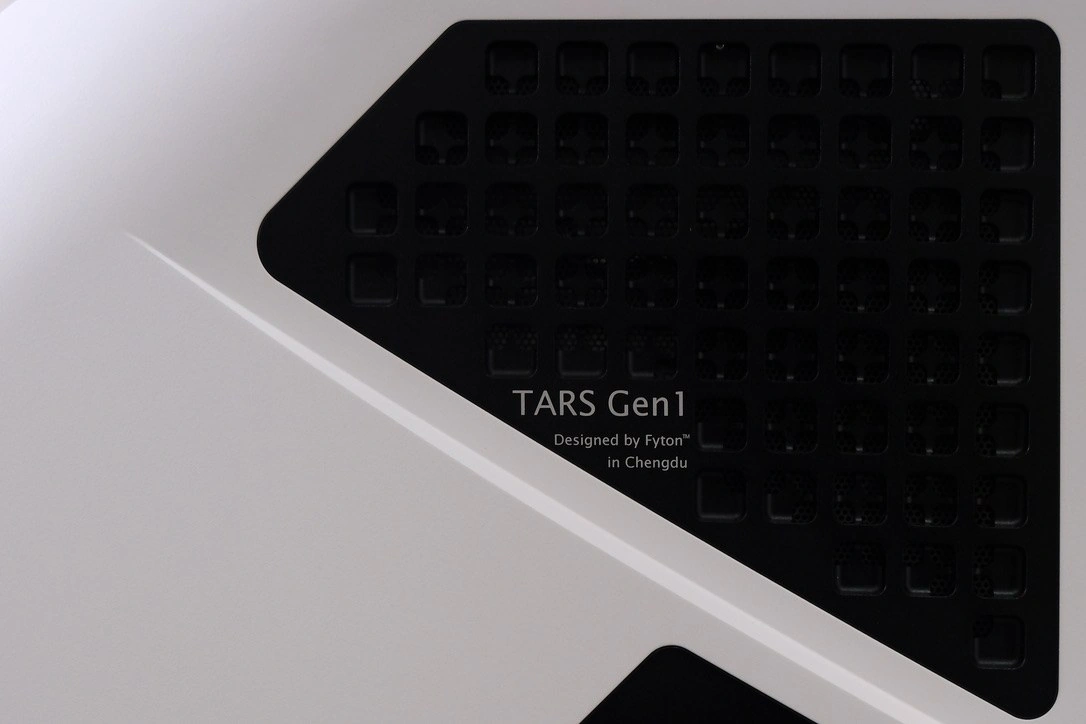
TARS Gen1 integrates positioning, computing, AR visualization, visible-light vision, optical tracking, and software-guided registration into one surgical workflow.

Clinical and Educational Translation
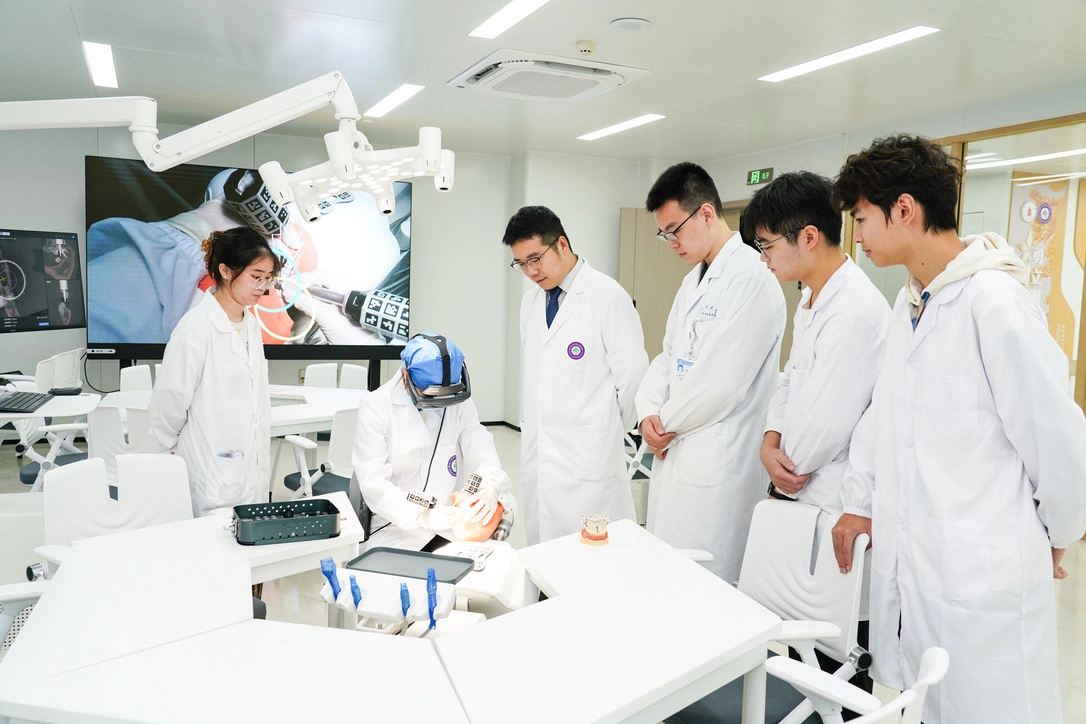
TARS supports guided oral surgical tasks and mixed-reality training. Clinical and educational workflows provide settings to evaluate accuracy, usability, attention, and reproducibility.
Medical AR
TARS treats medical AR as part of the surgical workflow. It links the operator, anatomy, instruments, and operative plan for intelligent oral and craniofacial surgery.
Visit the TARS product site